Nearby Vehicle Storage in Rio Rancho, NM
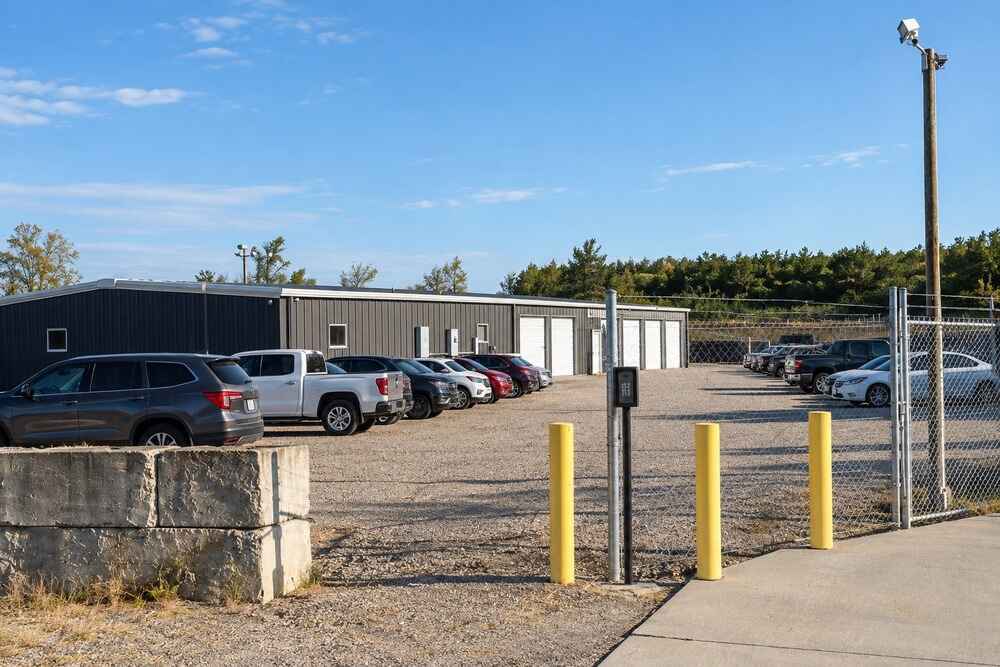
Gated lot offering vehicle storage in Rio Rancho, NM, with cars and a pickup parked in marked spaces
Nearby vehicle storage in Rio Rancho, NM gives vehicles a gated, camera-monitored place to park. This helps when driveways and neighborhood rules run out of room. For example, Idalia offers uncovered outdoor spaces in 20, 30, and 40 foot lengths. The lot also has keypad entry and security cameras.
Who needs vehicle storage in Rio Rancho?
Rio Rancho has grown quickly, and many neighborhoods have limited driveway space or homeowner rules about parking large vehicles outside. Extra cars and trucks can crowd out daily life. Also, leaving a vehicle on the street invites complaints, damage, and theft.
Seasonal owners benefit even more. A car that only comes out for summer trips does not need to take up space at home. The same goes for a truck that sits between jobs. A dedicated lot keeps each vehicle protected and organized.
What vehicle storage spaces are available?
The facility offers outdoor, uncovered parking spaces in three sizes: 20 by 12 feet, 30 by 12 feet, and 40 by 12 feet. Each space has gated access, security cameras, and keypad entry. The facility describes the spaces as ideal for cars, trucks, and other vehicles.
Because the spaces are uncovered, they suit long or tall vehicles that do not need a roof. You can reserve a space online for free.
Choosing the Right Size Starting With Measurements
How do you choose the right size?
Start with accurate measurements. Take length from the front of the hitch or tongue to the rear, including ladders, spare tires, racks, and any motor in its raised position. Measure width at the widest point, including mirrors and awnings, and height to the highest item.
As a general guide, the 20 foot space suits small cars and compact trucks. The 30 foot space suits midsize trucks and larger vans. The 40 foot space suits longer vehicles, such as extended work trucks. Round up and leave a few feet for backing in. If you are close to the limit, step up to the next size.
How does New Mexico weather affect stored vehicles?
Rio Rancho sits at high elevation, so the sun is strong and the air is dry. UV exposure fades paint, decals, and canvas and cracks rubber, and dry air can crack seals and weatherstripping. Spring winds can loosen covers, and summer monsoon storms bring heavy rain, hail, and lightning.
Winter brings freezing nights that can drain batteries and stress tires and fluids. A fitted, breathable cover, tie-downs, a battery tender, and regular checks help any vehicle stored outdoors.
How do you protect a vehicle in an uncovered space?
Preparation makes a big difference. Wash and dry the vehicle, add fuel stabilizer to a nearly full tank, and run the engine so treated fuel circulates. Change the oil if it has been a while, and top off other fluids.
Storing Vehicles Safely Long-Term
For any vehicle, remove valuables and personal items before storage. Inflate the tires to the recommended pressure, because flat spots form when a vehicle sits for months. Use a breathable cover instead of plastic, since plastic traps moisture. Also check on the vehicle every month or two, especially after storms and high winds.
What should you look for in a vehicle storage facility?
Look for security, clear sizes, and easy renting. This facility has gated access, security cameras, and keypad entry. Also, you can rent in three steps. First, select a size. Next, enter your billing information. Then, confirm your details. The facility also takes pride in keeping its spaces clean, secure, and affordable.
Ask about any restrictions before you commit, and confirm which space fits your vehicle if it is close to a size limit. You can see the map page before your first visit.
Why store near Inca Road?
A nearby lot keeps your vehicle within easy reach, which saves time when you want to load up for a trip. The facility sits on Inca Road Northeast in Rio Rancho, so it is simple to reach from across the city.
Making the storage decision easier
The right choice comes down to fit, security, and convenience. Measure your vehicle, choose the space that fits, and confirm the details with the facility before you commit.
How to Choose a Storage Facility in Rio Rancho
Not every storage lot suits every driver. However, a short list helps you compare vehicle storage options before you sign. Visit in person if you can, because photos rarely show the full picture. Use the same list at each vehicle storage lot you tour, so the test stays fair.
- Location: Pick a lot close to home or your usual routes. If the drive is short, you will use your vehicle more.
- Access hours: Ask when you can enter. Some lots limit hours, while others offer keypad entry on a wider schedule.
- Gate and cameras: Look for a closed gate and working security cameras. Also check that the fence is in good shape.
Next, think about space size and surface. Measure your vehicle first, so you do not pay for a space that is too large or too tight. Also ask whether the space is covered or open, because strong sun can fade paint and crack tires. If you plan to use vehicle storage in Rio Rancho for many months, a covered space may save you money on repairs.
Finally, ask about insurance. Many facilities do not insure what you park there, so check your own policy. As a result, you will know what protection you have before you sign a contract. Also ask each manager about their rules for vehicle storage, because policies can differ from one facility to the next.
Outdoor vs. Covered vs. Indoor Vehicle Storage Options
Each type of vehicle storage trades cost against protection. The right choice depends on what you park, how long it sits, and how much you want to spend. For more detail, see
Long-Term Vehicle Storage Guidelines Toyota TSB.
Outdoor storage costs the least. Uncovered spaces work well for vehicles built to handle weather, and a gated lot with cameras adds real security. However, strong sun and wind in Rio Rancho can wear on paint, rubber, and upholstery over time.
Covered storage sits in the middle. A roof blocks direct sun and hail, so paint and seals tend to last longer. It usually costs more than an open space but less than a full building.
Indoor storage gives the most protection. Your vehicle stays out of sun, dust, and storms, so it suits classic, collector, or seldom-driven cars. As a result, it also carries the highest price and sometimes less flexible access.
Here is a quick way to match your choice to your needs:
- Regular driver on a tight budget: outdoor is usually enough.
- Long-term parking in strong sun: covered is a smart upgrade.
- High-value or collectors: indoor is the best option.
Vehicle Storage Tips for New Mexico Sun, Wind, and Dust
The high desert is hard on anything parked outside. Strong sun fades paint, and dry air cracks rubber. However, a few simple steps before you leave your vehicle can prevent most of the damage.
First, start with a breathable, UV-resistant cover that fits snugly. Because a loose cover flaps in the wind and can scuff the paint, check the fit before you buy. Look for a cover with elastic hems or tie-down straps, and avoid plastic tarps, which trap moisture and can cause rust or mildew. Also, wash and dry the vehicle completely before covering it. Dust and grit left on the surface act like sandpaper when the wind moves the cover back and forth. A coat of wax adds a second layer of UV protection.
Next, take care of the tires and battery. Tires left sitting for weeks can develop flat spots, so inflate them to the upper end of the recommended pressure range. If you plan to store the vehicle for more than a month, use a battery tender to keep the charge steady. Extreme temperature swings between cold nights and hot afternoons drain batteries faster than most owners expect.
Then, deal with fluids and pests. Fill the gas tank and add a fuel stabilizer to prevent moisture buildup and fuel breakdown. Change the oil before long-term storage, since used oil contains acids that can damage the engine. Block the exhaust pipe and air intake with mesh or steel wool (and leave a reminder note on the steering wheel to remove it). This keeps out mice, which are common in New Mexico.
Finally, protect the rubber and the interior. Apply a trim protectant to door seals and the dashboard to prevent cracking. Use a reflective windshield shade and, if possible, crack the windows slightly or place a moisture absorber inside to prevent stale air and mildew. Leave the parking brake off and use wheel chocks instead, because brake pads can stick to the rotors over time.
Quick Checklist Before You Store
- Wash, dry, and wax the exterior
- Fit a breathable, UV-resistant cover
- Fill the tank and add fuel stabilizer
- Connect a battery tender
- Inflate tires and use wheel chocks
- Block the exhaust and intake openings against pests
- Treat rubber seals and dashboard with protectant
What to Know Before You Rent: Size, Pricing, and Paperwork
Start by measuring your vehicle. Use a tape measure from the front bumper to the rear bumper. Include anything that sticks out, such as a rack or a rear-mounted carrier.
Storage spaces come in set lengths, so round up to the next size. For example, a vehicle that runs just over one length will not fit the smaller space. Also check the width and height if your setup is tall or wide.
Monthly cost usually depends on the size of the space and whether it is covered or open. Ask for the monthly rate, and find out if there is a deposit or an admin fee. Also ask how the facility handles rate changes, so nothing surprises you later.
Before you visit, gather these items:
- Current vehicle registration
- Proof of insurance
- Government-issued photo ID
- A payment method for the first month
Some sites may ask for more, so call ahead before you book vehicle storage. As a result, move-in goes fast, and you may be able to park the same day. Last, read the rental deal with care.
Visit our rental page for
rv storage and vehicle parking.